If you are experiencing the Check engine light, you need to pay close attention to your car’s engine ECU. This unit regulates a vast array of modules, sensors, and controls in your vehicle. Typically, the difficult problems involve sensors that aren’t working properly, warning notifications, or dash lights. ECU repairs are often necessary to correct these problems. But before you start calling a mechanic, make sure you understand the basics of ECU repair.
Sensors feed data to the ECU
Besides controlling the car engine, ECUs also control windows, doors, and other car functions. The sensors and switches that feed data to the ECU help it monitor temperature, pressure, voltage, and braking. If the data is not accurate, it can cause computer, performance, and drivability issues. Thankfully, most sensors do not need replacement for their entire lifetime. Sensors feed data to the car engine ECU repair by sending signals to the other modules in the car.
Modern vehicles have one to seven computers, each with a distinct function. Sensors send data to the car’s engine control unit, which uses the information to start and keep the car running. Sensors feed data to the ECU, which is located on the back of the car. In fact, some ECUs are so important to the car engine that they’re critical to the car’s performance.
The PCM relies on this information to estimate the amount of air being delivered to the engine. The PCM can detect a worn spot on the contact-style TPS sensor, causing a hesitant or stumbling engine response. The flat spot may not result in a fault code, but it can cause hesitation and stumble. The sensor may also be defective if it’s not set to send any data to the car’s ECU.
Several sensors feed data to the car’s ECU, including the Inlet Air Temperature sensor, a crucial component of the car’s engine management system. Temperature changes affect air density and fuel mixture, which can result in increased emissions, increased fuel consumption, and drivability problems. You can check the sensors’ output with a scan tool or an ohmmeter. If it doesn’t read, the sensor needs to be replaced.
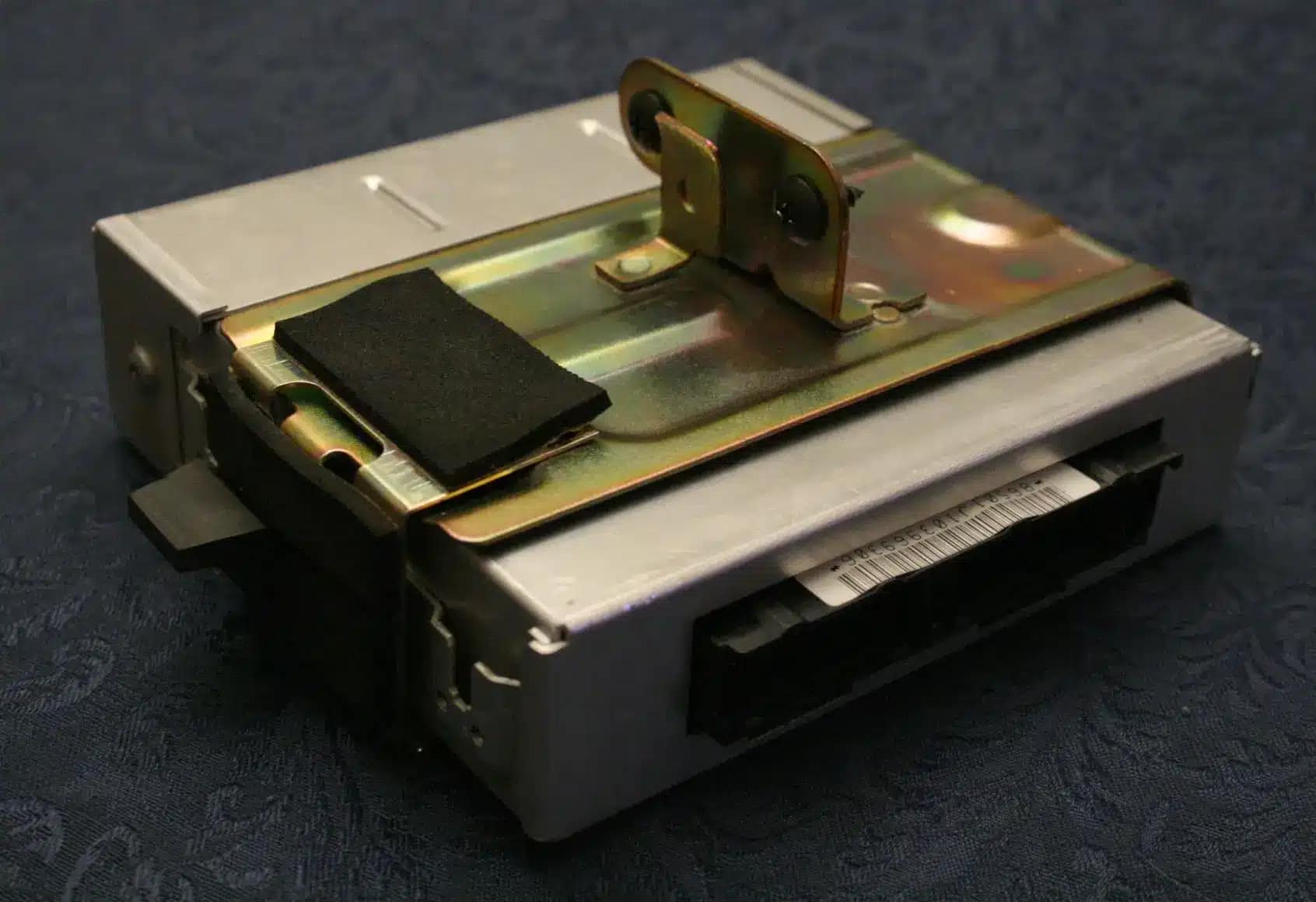
Similarly, the ECM controls the car’s electrical system. Like any other car part, the ECM can fail, and the consequences are much worse than with a laptop processor failure. Fortunately, there are some simple ways to fix the ECM yourself, and they don’t require professional help. But in the end, it’s important to get the problem fixed as soon as possible. You may be surprised to learn that it’s actually very easy!
If you have purchased a new car, you should look at the ECU. You can find it beneath the wipers, behind the plastic trim, and in the engine. The T5 and T4 ECUs are located under the battery tray. Often times, the ECU is located under the bonnet. The best way to get to the ECU is to use a VRM tool.
The ECM is a computer that controls various aspects of the car’s engine. It regulates the air-fuel ratio, the idle speed, and ignition timing, and it also controls various other functions of the car. Some sensors feed data to the ECM, including the air-fuel sensor, mass air flow sensor, and oxygen sensor. Sensors also provide information about the vehicle’s load. In addition to the ECM, the car engine includes other sensors that control the car’s performance.
Check engine light
If your car is displaying the check engine light, you probably want to get it checked out by a mechanic. Check engine lights come on when one of several components in your car is malfunctioning or failing. They give the driver basic information and can be caused by various things, including a loose gas cap, a bad spark plug, or a malfunctioning computer control unit or catalytic converter. Regardless of the cause of the light, repairing it can save you money and time.
While some cars can safely drive even with this warning light, most people should only attempt this process when they have a mechanical background. While it can be challenging for a do-it-yourselfer to diagnose the cause, the warning light will be illuminated while the mechanic repairs the engine. Often, the engine will stall or misfire for a while after the warning light comes on. If you notice the light remains on, the problem is in the engine control unit.
A loose gas cap, dirty throttle body, and bad ignition wires are some of the most common reasons the check engine light is on. Luckily, there is a simple fix for these common problems. A simple gas cap repair can clear the check engine light and allow the car to continue running. Of course, sometimes the light comes on despite nothing being wrong with the car. It’s always best to get it checked as soon as possible to avoid further damage.
A faulty ECU can also cause problems in shifting gears in an automatic transmission. It may also cause sudden jerking and halting while driving. If you suspect that your car’s ECU is faulty, the first thing you should do is take it to a reputable dealership. A mechanic there can diagnose the problem with the latest computer diagnostic equipment. If the problem is something more complicated, you may need to have it replaced altogether.
If the check engine light is flashing, you should have your vehicle checked by a mechanic. A failed mass airflow sensor can cause other problems. For example, a faulty mass airflow sensor can cause a pinging sound at high speeds. Another common reason for this is a faulty oxygen sensor. If the problem is not resolved, it is imperative that you have your car repaired by a certified mechanic.
If you can fix the problem yourself, you can always reset the check engine light. After the repair, the light should turn off. This can take a couple of days as the computer monitors have to re-test all the components. However, if it doesn’t, it could stay on for several days. The best way to deal with this issue is to visit a mechanic as soon as possible.
Cost of repair
If you’re wondering how to fix a malfunctioning ECU in your car, you should know that it’s far more complicated than it sounds. Your car’s ECU is responsible for regulating the timing of ignition and fuel injection. It may malfunction if one of its sensors is faulty. A faulty ECU may cause your car to overfuel or to be very wealthy. If you’re unsure whether the problem is with your car or the ECU, you should consider hiring a mechanic instead of attempting to fix it yourself.
Depending on the type of car you own, replacing an ECU can cost anywhere from £400 to £1,400. Some of these engines are reprogrammable, which can save you money. However, if you don’t feel comfortable performing the repair yourself, you can always purchase a refurbished engine control unit. This method will cost you between £100 and £300. And since you’ll be saving money on the part itself, it might be worth it to give it a try.
The actual cost of replacing the ECU depends on the type of car you have and its brand. For high-end cars, replacing the module may cost as much as £1500, which can be even higher. In addition to the part cost, the labor for replacing the ECU can cost hundreds of dollars. So, it’s important to know the actual cost before you make the decision. If you’d rather save money on the cost, you can buy a remanufactured ECM or reprogrammed one for under £200. Just make sure that the remanufactured one is factory certified and has a warranty.
If you need to replace the ECM of your car, you’ll want to find an auto parts store that sells these units. If you’ve found a used ECU, you can save a great deal of money by purchasing it yourself. Depending on the type of car and the model of the engine, the replacement can cost anywhere from £450 to £1,750. A used ECU can also save you a lot of money, so you may want to consider buying a used one.
If you’ve noticed that your car’s check engine light is on constantly, you may have a malfunctioning ECU. While there are several reasons why this error occurs, the most common one is a malfunctioning ECU. In such a case, it’s important to have your car serviced as soon as possible. Having the engine control unit repaired quickly can save you from costly repairs down the line.
An engine control module, or ECU, is an electronic module that connects your car’s engine to its central computer. It controls many functions of your car engine and is often the source of fuel and performance problems. If you’re worried about the cost of fixing this module, you can check out online guides that explain how to fix ECU problems yourself and get the best value for your money.