The Average Cost of a Full Car Service in the UK depends on the make and model of your Vehicle, and most importantly the size of the engine in your Vehicle And Model of the car
Most Importantly The Bigger the engine the more engine oil the vehicle will require this will be decided on how many cylinders, Your vehicle engine has for example, 4 cylinders or 6 cylinders or even 8 cylinders like a V8 Engine
For example a 6-cylinder and 8-cylinder engine will need double the amount of engine oil a 4-cylinder engine will need. Some vehicle engines need a specific grade of engine oil.
This necessity makes some car service plans a lot more expensive than other models
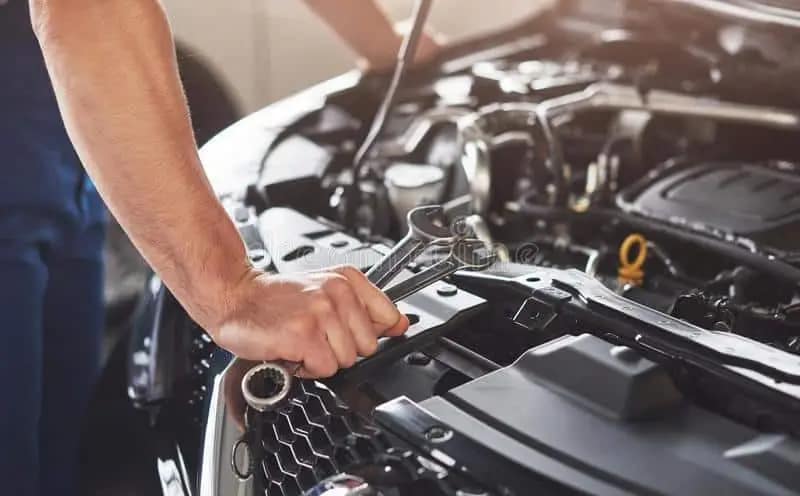
The Average cost of a full car service in the UK
The average cost of a full service for a Particuler make and model of Your Vehicle
The cost of a full service can depend on the make and model of your vehicle. Factors such as parts, labour, and the complexity of the service all play a role in determining the overall price.
Below are average prices for full Vehicle servicing by the make and model of your car.
| Mercedes-Benz | £282 |
| Nissan | £248 |
| Peugeot | £257 |
| Renault | £260 |
| Vauxhall | £252 |
| Volkswagen | £247 |
How long does a full car service take?
It’s best to ask the garage that’s servicing your car how long they need it for, but here’s a guide, depending on the type of service you’ve booked:
An interim service is a less extensive service. It checks over the main parts of your car. You should carry it out every 6 months or every 6,000 miles. It usually takes around 1.5 hours to complete this level of service.
A full service is a complete check of the whole car. It should be carried out annually or every 12,000 miles. This type of service can take around 3 hours to finish.
What does a full car service include
Full service – This is the largest type of service available to most car owners. It w ill need to be carried out every 12 months or 12,000 miles – whichever comes first. The service will also include changes to engine oil, oil filters, and air filters.
During a full service, a mechanic will analyze all the vital parts of the car. They will also examine the safety and mechanical systems.
Interim service –
This is a less comprehensive version of a vehicle service. It is carried out every six months or 6,000 miles, whichever comes first. This should not replace a full service.
At the car service centre, an interim service includes an engine oil change and a new oil filter is replaced and a check on your under bonnet levels like brake fluid and screen wash
Other services – There are a few substitute car service options, But Still, they are less popular.
These options are normally for more specific vehicles or scenarios.
A manufacturer service is for a higher spec model. It needs to have work carried out by a dealership or garage from the manufacturer.
A ‘major service’ is a more extreme version of a full car service, for a vehicle that hasn’t had one in a very long time
1. The Comprehensive Nature of Full Car Services
This article outlines what forms a full car service. It details the various components such as engine checks, oil changes, brake inspections, and tire rotations.
It also discusses the importance of each service in maintaining vehicle longevity and safety.
2. The Benefits of Regular Car Servicing
In this essay, you examine how regular car servicing can improve vehicle performance. It can enhance safety. It can also save money in the long run.
Including statistics or case studies demonstrating the impact of neglecting vehicle maintenance will strengthen your argument.
3. Comparing Full Car Service schudules to Basic interim Servicing
This paper explores the differences between full car services and basic maintenance checks. Discuss the services included in each of the scenarios
Also in which one chooses one over the other, and the potential advantages of committing to full servicing for more complex vehicles or high-mileage cars
The Comprehensive Nature of Full Car Service and what is included
Introduction
A. Definition of full car service
B. Importance of regular vehicle maintenance
C. Overview of key components addressed and checked in a full car service
Full Car Servicing schedules
II. Key Components of a Full Car Service
A. Engine Checks
1. Types of engine inspections
2. Role in performance and efficiency
B. Oil Changes
1. Importance of oil quality and levels
2. Frequency and types of oil used
C. Brake Inspections
1. Components checked (pads, discs, fluid)
2. Safety implications of brake maintenance
D. Tire Rotations
1. Benefits for tire wear and handling
2. Recommendations for rotation intervals
E. Additional Services
1. Fluid checks (coolant, transmission, etc.)
2. Battery health evaluation
3. Filter replacements (air, fuel, cabin)
The Importance of Full Major Car Servicing
A. Enhancing Vehicle Longevity
1. Preventive maintenance vs. reactive repairs
2. Cost-effectiveness over time
B. Ensuring Safety on the Road
1. Role of maintenance in accident prevention
2. Legal and insurance considerations
C. Impact on Vehicle Performance
1. Improvement in fuel efficiency
2. Overall driving experience
The Importance of Full Car Maintenance And Repair Services
A. Enhancing Vehicle Longevity
1. Preventive maintenance vs. reactive repairs
2. Cost-effectiveness over time
B. Ensuring Safety on the Road
1. Role of maintenance in accident prevention
2. Legal and insurance considerations
C. Impact on Vehicle Performance
D. Improvement in fuel efficiency
2. Overall driving experience
Conclusion
In conclusion, comprehensive full car services are essential for maintaining both vehicle performance and safety. Regular checks of key components such as the engine, oil, brakes, and tires significantly enhance a car’s longevity.
Preventive maintenance helps avoid costly repairs. It ensures safety on the road. It also improves fuel efficiency and the overall driving experience.
Investing in routine maintenance is crucial for peace of mind and the well-being of both the vehicle and its occupants. Making full car services a regular practice is a wise choice that pays off in the long run.

