This article provides an overview of the Automotive Industry ans its current market conditions and trends in the Mtor industry. This includes PESTEL analysis, Competitive pressure, Environmental Issues, and Opportunities. In addition, it includes a brief discussion of each of the four trends.
These trends may help you decide how to proceed with your marketing and business plan. After reading this article, you should be better equipped to make informed decisions. To get started, you should first understand PESTEL.
PESTEL
This analysis helps in determining the economic impact of the automobile industry on the land it operates in. Several countries have implemented taxes on luxury goods and this has increased their prices. While China and India have recovered quickly from this impact, the US and India have seen fast growth in vehicle sales since the end of 2020.
While the automotive industry is a highly competitive sector, the future growth prospects of the sector are bright. But to take advantage of this growth potential, the automobile industry must address environmental and safety concerns.
A PESTEL overview of the Automotive industry and its analysis is one of the most crucial components of management studies.
It helps companies understand how external forces impact the company’s operations and how to respond to them.
For example, the automotive industry is influenced by several external factors such as society, politics, technology, and ecology. These factors affect automotive industry sales and understanding how each one affects the industry can help companies create strategies that will mitigate any harm that may arise.

An Overview of the Automotive Industry
The high growth rate of emerging markets offers General Motors great business opportunities. In these markets, the company can expand its dealership network, and economic challenges in the major markets will remain minimal.
However, the company must ensure it has the right competence to deal with the increasing competition, PESTE, analysis also helps the company make the best use of available resources.
There are many factors that influence the performance of the automotive industry, and PESTLE analysis can help companies identify which ones will have the greatest impact on their operations.
Competitive Pressure
The intense competition in the automotive industry has caused manufacturers to look for ways to cut costs and improve efficiency. For instance, in the past two to three years, most major vehicle manufacturers have announced cost-reduction programs and increased the pressure on suppliers to achieve higher levels of efficiency.
This pressure is then passed along the entire supply chain and impacts the automotive component industry. The result is better value for money vehicles. Here are some ways to improve your business’s competitive position.
As the number of light vehicles in the world rises, the pace of competition becomes progressively more intense. By 2020, a third of the world’s light vehicle output may be produced in emerging markets. China could add 10 million vehicles to its current output to overtake Japan.
These changes are expected to place pressure on global suppliers, as most make 10-20% of their total revenue in Asia. Executives at global automotive suppliers say they will embark on large investment programs to globalize their manufacturing operatio
The competitive pressure in the automotive industry is due in large part to the fact that buyers have a lot of bargaining power and can choose between different brands. Moreover, the industry’s structure is determined by the buyer’s bargaining power, and this has created a lopsided buyer-seller market.
In addition to a growing number of competing brands, increasing competition has impacted the overall production and sales of vehicles. But this is not a bad thing – it can help increase customer loyalty and reduce costs.
Environmental issues
Automobiles impact the environment in many ways. Pollution associated with fuel and exhaust is the main sources of this pollution. In the United States, nearly all automobiles burn gasoline, while fewer vehicles use diesel fuel.
While some automobiles use alternative fuels such as natural gas, they are not widespread and have limited availability. Because combustion is never perfect, the end result is a mix of pollutants that are released into the atmosphere.
The automotive industry has made significant progress in reducing its impact on the environment. Between 1999 and 2008, the industry reduced its energy, water, and waste by as much as three-quarters. Today, the average new car emits 31% less CO2 than it did 15 years ago. However, this progress is far from complete. The automotive industry must do more to combat pollution and create a more environmentally sound future for all of us.
The automotive industry has adopted many metrics to measure its performance with regard to the environment. These metrics measure how energy and water is used, as well as emissions and other emissions from the manufacturing process.
Environmental performance metrics also include fuel economy, carbon monoxide, and tailpipe emissions. These metrics should be included in any assessment of environmental performance in the automotive industry. This is a key area for future research, as the industry is lagging behind other sectors in green manufacturing.
Opportunities
While traditional dealer channels are high-cost and low-satisfaction, they are evolving rapidly. Entrepreneurs with access to public capital are adopting new strategies to improve the cost-value equation.
Six dealer groups went public between 1996 and 1997 and quickly soared past $4 billion in revenue, primarily from acquisitions of existing dealers. Other emerging trends include the emergence of e-commerce and the proliferation of connected cars. In short, the automotive industry is facing enormous changes.
As the industry changes and evolves, opportunities are emerging everywhere. New technologies are disrupting the industry at an increasing rate. While there is a limited supply of automotive experts, many other companies outside the industry can provide the expertise they need to support this transformation.
Disruptive technologies such as Tesla are creating new opportunities. While big OEMs cannot provide all their expertise in-house, small technology companies can partner with these companies to provide solutions for automotive needs.
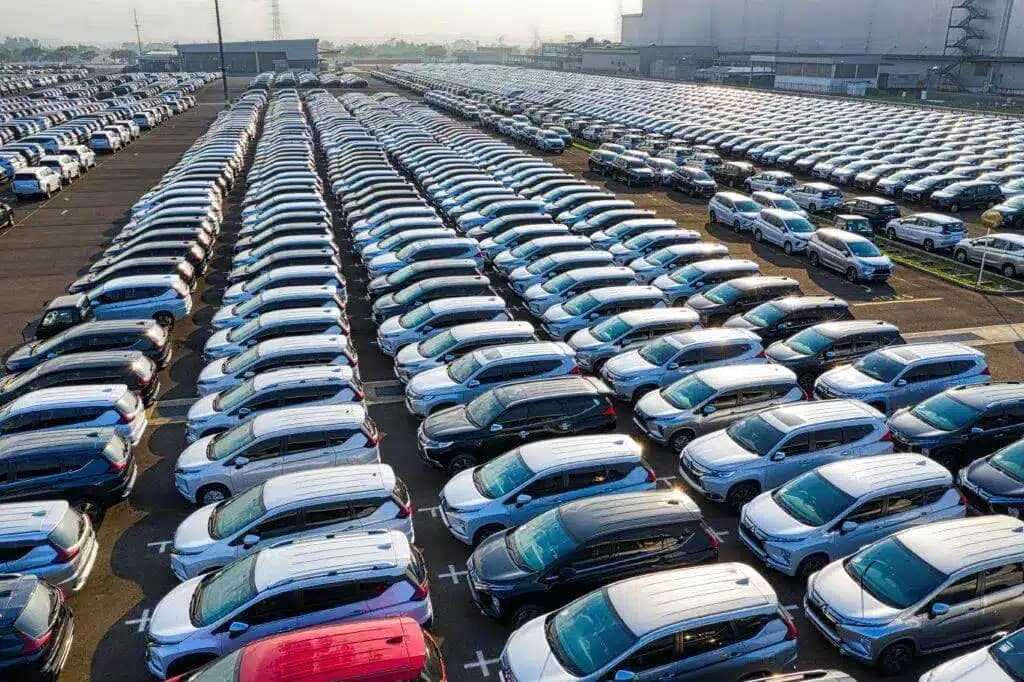
An Overview of the Automotive Industry
Automakers are increasingly focusing on making cars as safe as Possible
Automakers are increasingly focusing on making cars as safe as they possibly can,With the increased focus on safety features, designers will have greater opportunities to design and implement new technologies to improve road safety.
This will protect the vehicle occupants, pedestrians, and other road users as well as making them more enviromentality friendly
As cars become safer, demand for skilled workers will increase. Ultimately, the automotive industry is a highly competitive one with plenty of opportunities, For example, in the next five years, hybrid cars are predicted to lead the green revolution.
Political Stability
In recent years, political instability has had a profound impact on the global economy, and the automotive industry is no exception. As the ANC national conference approaches in December, the industry will be keen to avoid any JSE drops. But there are some things it can do to maintain business confidence, especially in volatile political environments. As a business leader, you need to keep an eye on this and plan accordingly. Keeping a pulse on political instability is essential to your industry’s success.
In order to protect your company, you need to know what political risks are impacting the automotive industry. Global political risk trackers look at the political risks in key sectors such as elections, trade, and tax changes.
They consider their possible impact on automotive markets and determine how these changes might affect vehicle sales, production, and supply chains. For example, the global Covid-19 outbreak is a major source of political risk for the industry. Taking steps to minimize this risk is imperative for the future of your company.
A stable automotive industry is essential for the growth of a country’s economy. In addition to supporting the economy, the automotive industry also plays a major role in nation-building. In addition to contributing 7.2% to the country’s GDP, it supports hundreds of thousands of jobs.
However, it may be difficult to predict when a government policy will come into effect. So, it’s important to understand what political instability is affecting the industry.
Impact of environmental legislation
The automotive industry is becoming increasingly global, and issues surrounding emissions are more complicated. In addition, economic conditions and public expectations can vary greatly from country to country. To meet emissions regulations, environmental management must be carried out both locally and globally.
This article looks at how environmental legislation has affected the automotive industry. For instance, emissions laws have increased the cost of catalytic converters, which carmakers typically pass on to consumers. Nevertheless, the automotive industry must adapt to the changes and meet its requirements to keep the environment and its workers safe.
The automotive industry is a global player and has production facilities across continents and countries. It takes advantage of local conditions, such as taxation level, labor costs, and administrative requirements.
Moreover, environmental legislation is expected to increase costs and reduce profitability. By limiting pollution and increasing productivity, the automotive industry can better address environmental concerns while improving efficiency. This article also explores the impact of environmental legislation on the automotive industry.
The automotive industry has been making great strides to improve the environment. Since 1999, energy, water, and waste have been reduced by nearly 30 percent, while emissions from manufacturing operations have decreased by over 90 percent.
Over the same period, the average new car is now 31% greener than 15 years ago. In fact, the automotive industry has been working to reduce its carbon footprint by making vehicles that are more efficient and greener.