The Reasons Why Car Accidents Happen here is a Detailed Look at Leading Accident Factors The reasons why car accidents happen are as numerous as they are varied, but the common causes can be broken down into three categories
Distractions
Inexperienced driving and automobile design defects. While these factors it may not be completely preventable, they can lead to disastrous consequences.
If you are one of the millions of drivers who experience accidents, you may want to read through this article to learn the most common reasons for crashes. You’ll be surprised to learn that the most common cause of car accidents is distracted driving.
Distracted driving is the leading cause of car accidents
Distracted driving can lead to an accident, and the consequences are serious. A study conducted by Erie Insurance uncovered the top 10 causes of fatal distracted driving crashes.
Listed below are the causes of distracted driving accidents as reported by police officers, as well as the percent of accidents that resulted in a fatality.
Keep in mind that police only investigate distracted driving accidents if the driver or passenger tells them that they were distracted at the time of the crash.
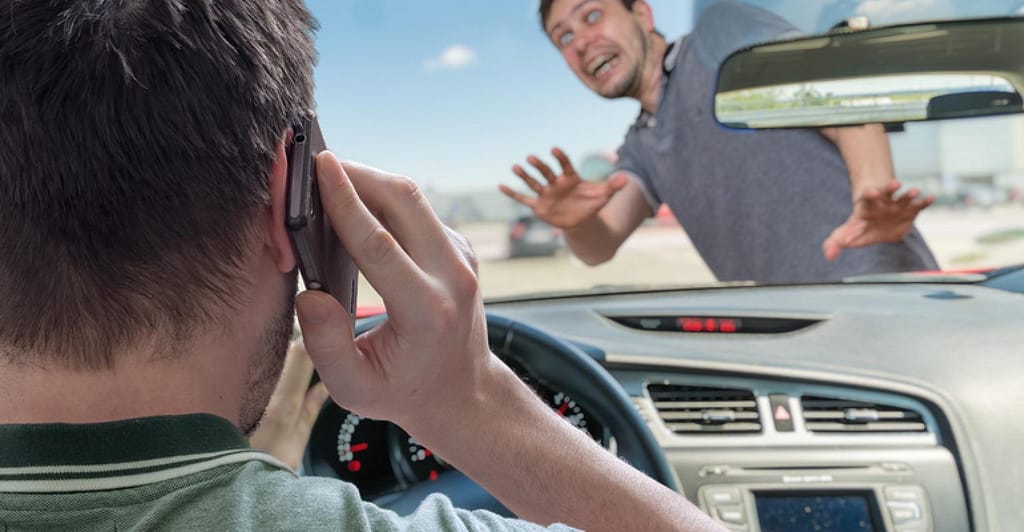
The Reasons Why Car Accidents Happen – A Detailed Look at Leading Accident Factors
Cell phone use is the number one distraction
while driving. Even hands-free devices can distract a driver. One of the leading causes of distracted driving crashes is daydreaming. It takes a driver time to react to an emergency and takes their attention off the road.
Drivers who daydream tend to make more errors in judgment while driving, and are more prone to be involved in a car accident. Distracted driving is also a huge cause of fatalities, as it makes people less attentive to the road.
Mobile Phoe use Distractions
Studies show that distracted driving is the leading cause of car accidents. Across the U.k., there are 9 fatalities attributed to this problem each day.
This number of accidents is believed to be much higher than the actual number of fatalities. And because the statistics are not collected at the time of the accident, it is impossible to prevent every distracted driver from driving. However, there are ways to catch them before they are at fault.
Inexperienced driving
Teenagers are more distracted than experienced drivers, and they lack the experience to identify and correct poor driving habits. Teenagers also tend to drive at night and may be driving with multiple teenage passengers, both of which increase the risk of car accidents.
The dangers of inexperienced driving are not limited to teens, though. Learn the signs to avoid a crash and be prepared for a long road ahead.
Inexperienced drivers are more likely to make inexperienced mistakes, such as not paying attention to the road ahead, failing to follow traffic laws, and speeding. They also may not know when to react to risky situations.
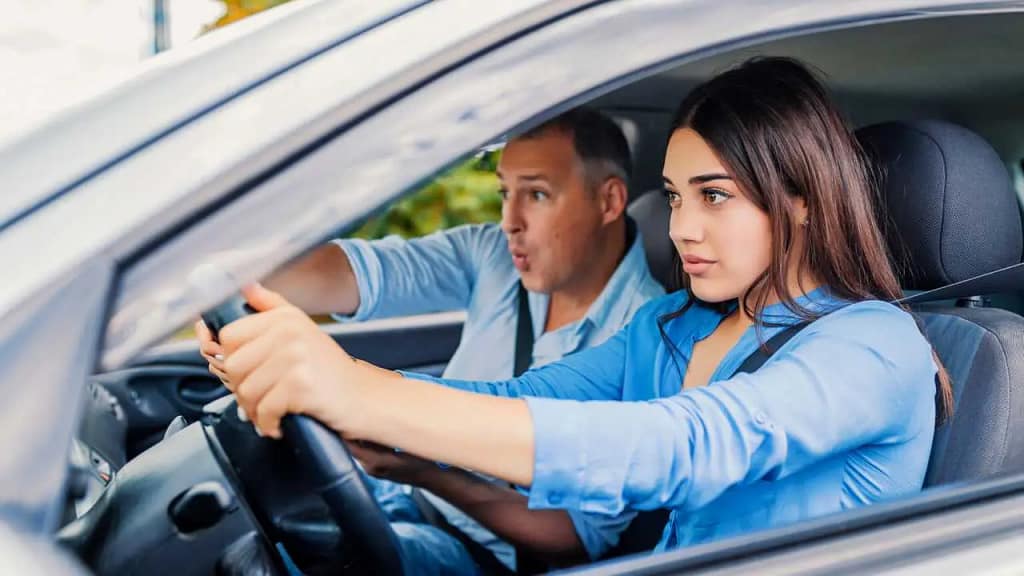
Inexperianced driving habits
Inexperianced driving habits
Even if the young driver has a license, he or she may not realize how reckless these driving habits are, resulting in an accident. Inexperienced drivers may also be distracted, driving under the influence of alcohol, or not wearing a seatbelt. All of these factors make them more likely to crash into other vehicles, causing serious injuries to innocent passengers.
The main cause of car accidents among teen drivers is inexperience. Inexperienced drivers tend to become reckless and negligent, causing car accidents. Inexperienced drivers also lack the necessary training to drive safely, so their inexperience can lead to poor driving habits and even a fatal accident. This problem is particularly acute among teenagers, who have shorter attention spans, are distracted easily, and often focus on their cell phones.
Poor weather conditions
When drivers are caught in a car accident during bad weather, they may wonder why they are held responsible. In fact, extreme heat increases the risk of an accident.
Heat waves can cause drivers to be sleepy and fatigued, and they may not have the best concentration when driving. Bad weather can also make pedestrians and cyclists more dangerous.
In such cases, the driver will be held responsible for the accident, no matter how it occurred.
While the driver is ultimately responsible for the actions that lead to a car accident, they may also be at fault. During inclement weather, drivers must adjust their driving style to account for any problems with visibility.
This means slowing down when driving in the rain or driving too close to the car in front of them. Drivers must also be aware of distractions while driving and try not to drive too fast or too slowly.
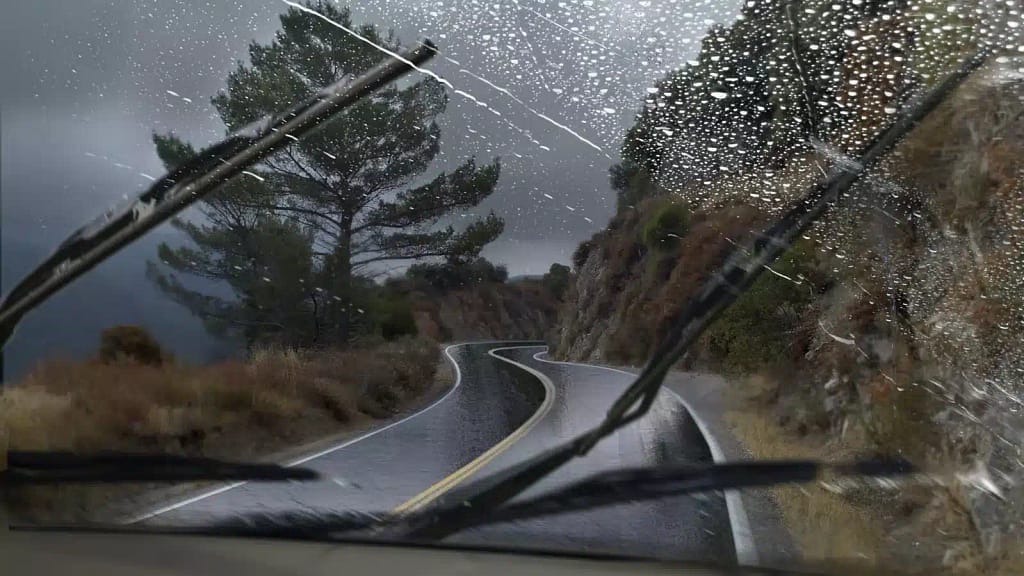
Even though weather is a common cause of car accidents
Even though weather is a common cause of car accidents
it is important to understand that it does not determine fault. In fact, weather conditions can make roads slick and vehicles more difficult to control. Moreover, they may cause accidents with fixed objects and other cars.
Even cars with safety features may be affected by the weather conditions, making them more prone to rollovers and other accidents. These weather conditions can be life-threatening if the driver is left stranded. Fortunately, most car accidents can be avoided.
By practicing safe driving habits and using your common sense, you can help prevent a crash and receive compensation for your injuries.
Design defects in automobiles
Most car accidents are caused by human error, but design defects also play a part. In many cases, a design defect results in a car accident and costly property damage.
Some designs are even dangerous enough to result in fatalities. In such cases, you may be entitled to compensation if the car was designed in a way that makes it impossible for you to safely drive it. Below are three of the most common design defects.
A defect in the design or manufacturing of an automobile is the most common cause of car accidents. Defects can occur at any stage of the design or manufacturing process.
The Reasons Why Car Accidents Happen – A Detailed Look at Leading Accident Factors
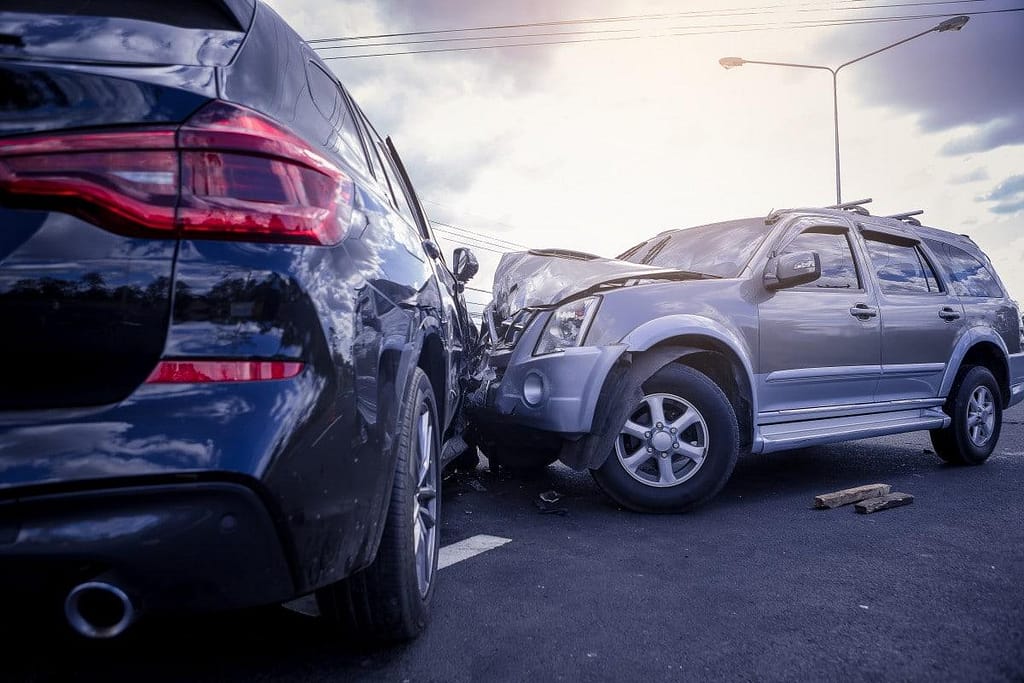
The type of defect you are claiming will depend on the accident.
The type of defect you are claiming will depend on the accident.
To determine if a defect caused an accident, you must demonstrate that it was caused by one of these defects. The car manufacturer will use defense tactics to minimize any claim they receive for a defect in its product. For instance, a car manufacturer may argue that you were negligent by leaving a part in disrepair or manipulating the component out of function.
A vehicle’s steering system is another reason for car accidents. A car’s steering system may not be working properly, resulting in a collision at low speeds. The lack of control of the vehicle can lead to a collision and even injury.
Another design defect may cause the windshield wipers to stop working properly, causing you to have no visibility and risk an accident. Another car accident may happen because of a defective steering system or engine.
Road hazards
Motor vehicle accidents can be caused by a variety of factors. Poor road conditions, animals, uneven expansion joints, and standing water are all potential hazards that can cause an accident.
Often, a driver’s mistake is the culprit, but road hazards can also be a result of a poorly designed road. Even minor road conditions can have catastrophic effects on vulnerable road users. These factors can make a driver’s mistake a compounding factor.
Another potential cause of an accident is a faulty stop sign or a broken stop light. These problems can cause a driver to lose control of their car and collide with another motorist.
Large potholes can also cause an accident. If you’re not aware of a hazard, it’s difficult to know whether or not you should avoid driving through it. In some cases, the city responsible for maintaining the road could be held liable.
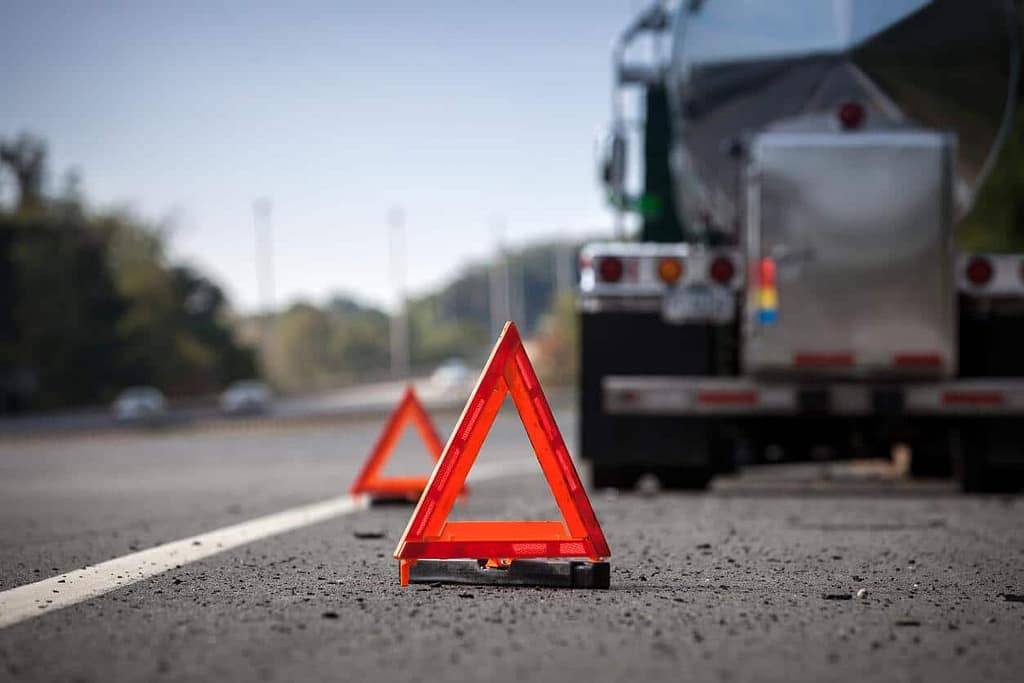
Road hazards
A major cause of car accidents is poor road conditions. The National Safety Council estimates that 38,800 people will die in car crashes this year. However, the number of fatalities is actually down 2% from last year.
The National Safety Council cites many factors for these numbers. The most dangerous days to drive are typically winter and the rainy season. The dangerous days are also associated with heavy drinking. During the rainy season, a driver’s reaction time must be very slow if he or she wants to keep control of their vehicle.
Drunk driving
The laws against drunk driving have evolved significantly in the last few years, as states have added their own specifications to federal traffic laws. Impairment offenses are criminal in nature and are punishable by fines, license suspensions, and even jail time.
While repeat offenders often face permanent license revocation, a first-time offender can still be liable for $10,000 in fines. The penalty for driving under the influence of alcohol depends on the severity of the accident and the level of impairment.
Drug Driving
In addition to being illegal, drunk and drug driving also affects your ability to read road signs and recognize the correct direction to drive. Additionally, you may not realize that you are traveling the wrong way on a one-way street if you are drunk.
This increase in potential accidents makes them more likely to occur. Every year, thousands of people are killed in car accidents caused by drunk drivers. Drunk drivers are often at fault for these accidents, because they lack the ability to react appropriately and their abilities to see and hear are impaired.
Despite the many consequences associated with driving under the influence of alcohol, drunk drivers are still the top cause of car accidents.

A drunken man driving a car with a bottle of alcohol in his hand. drinkig whiskey from an iron flask behind the wheel of a car.
Drunk And Drug Driving is the cause of 70% of accidents and fatalities a stagering amount of Selfish and dispicable Driving Behavier
Almost 3/4 quarters of all traffic-related deaths occur due to drunk and drug driving. Even those who survive the accident often sustain catastrophic injuries, including traumatic brain injury and spinal cord damage.
In addition to these severe injuries, drunk drivers face substantial consequences when caught. They cannot react in time, fail to judge distances, and fail to stop for traffic signs or other drivers.
Conclusion
Road traffic accidents represent a critical public safety crisis that demands urgent attention and action. Despite progress made through vehicle safety enhancements, improved infrastructure, and public awareness initiatives, the onus is on both drivers and pedestrians to prioritize safety and comply with traffic regulations.
The Reasons Why Car Accidents Happen A Detailed Look at Accident Factors
It is essential to cultivate a robust culture of safety and implement decisive strategies—focusing on education, strict enforcement, and effective engineering—to significantly reduce road traffic accidents.
We must prioritize this issue decisively, as every proactive measure taken is vital in saving lives and preventing avoidable tragedies on our roads. The time for action is now, and we must all commit to making our roads safer.

