The Common Causes of Engine Overheating And How To Avoid Them
The Common Causes of Engine Overheating and How To Avoid Them
The Essential Guide to Preventing Engine Overheating: Discover Common Causes and Proactive Solutions
Engine overheating is more than just an inconvenience. It’s a serious threat that can lead to expensive repairs. It can also jeopardize your vehicle’s performance.
By understanding the leading causes of overheating, you can take decisive actions to protect your engine and enhance its longevity.
Let’s Explore These Common Culprits And The Effective Strategies To Avoid Them
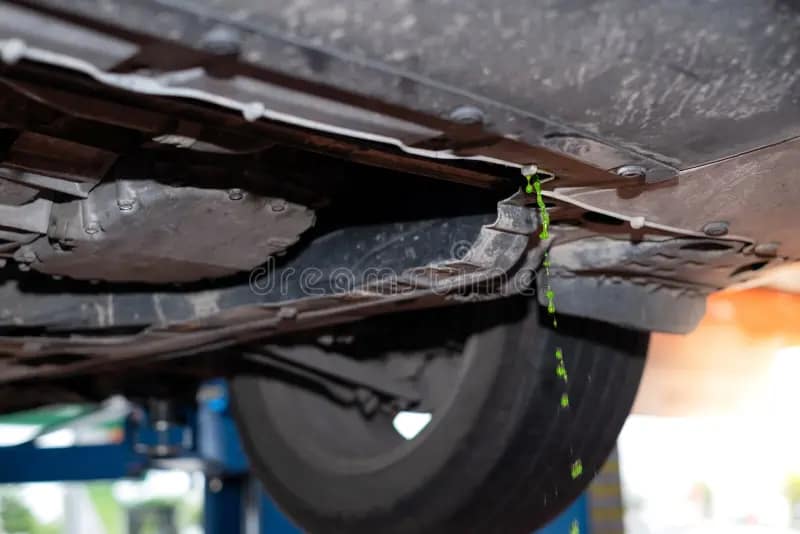
Engine Coolant Water Leak
1. Low Coolant Levels: Your First Line of Defense
Coolant, or antifreeze, plays a critical role in maintaining your engine’s temperature. Low coolant levels, often due to leaks or insufficient maintenance, can swiftly lead to overheating.
Proactive Strategies
Make it a habit to regularly check your coolant levels and top them off as needed. – Conduct thorough inspections for leaks in hoses, the radiator, and the water pump. Catching these issues early can save you from more extensive damage.
2. Faulty Thermostate
The Temperature Regulator Your thermostat controls the flow of coolant, ensuring that your engine remains at the optimal temperature.
A malfunction can disrupt this balance, leading to overheating. Preventative Actions:Schedule routine checks for your thermostate during maintenance
During service visits, ask for your coolant system to be flushed and replaced. Hard water generally clogs and blocks the thermostat from operating properly.
Replace any thermostat that shows signs of failure. This is especially important if your engine tends to overheat often.
3 Blocked Radiator
The Cooling System’s Lifeline A blocked or clogged radiator severely hampers coolant flow, inhibiting its ability to dissipate heat effectively. Debris, dirt, or corrosion can contribute to these blockages.
Effective Prevention
Clean your radiator regularly and adhere to the manufacturer’s recommendations for coolant replacement and flushing. – Ensure the front grille is free from obstructions, which can obstruct airflow, leading to potential overheating.
4 Worn Water Pump
The Heart of Coolant Circulation
The water pump is vital for circulating coolant throughout your engine. If it fails, coolant circulation stagnates, putting your engine at risk of overheating.
Steps to Take
Pay attention to any unusual sounds, like grinding, from your water pump. – Have it professionally inspected and replaced if it demonstrates any signs of wear or malfunction.
5 Broken or Loose Belts
The Driving Force
Belts are critical for powering the water pump. If they are broken or loose, they can prevent proper coolant circulation, leading to engine strain and overheating.
Maintenance Tips
Regularly check your belts for signs of wear or loose tension. – Promptly replace any damaged belts to keep optimal engine operation and temperature.
6 Exhaust Blockage: An Overlooked Factor
A blockage in your exhaust system can create dangerous pressure buildup, resulting in higher engine temperatures. This problem is often linked with clogged catalytic converters or exhaust pipes.
Preventive Measures: Make sure regular inspections of your exhaust system. – Take action right away if you face unusual sounds or odors, which show an underlying issue.
7 Overloading the Vehicle: Know Your Limits
Heavy loads place extra stress on your engine, leading it to generate excessive heat. Be mindful of your vehicle’s towing capacity and weight limits to prevent overheating.
Smart Practices
Keep track of how much weight you’re carrying; every pound counts. – Remove unnecessary items from your car to reduce engine strain and improve fuel efficiency. ####
Conclusion
Keep your engine cool to make sure your vehicle thrives. Preventing engine overheating is vital for maintaining your vehicle’s health. It also helps in avoiding costly repairs.
By understanding these common causes and implementing proactive strategies, you can significantly reduce the risk of overheating.
Regular maintenance and vigilance will go a long way in ensuring that your engine operates at peak performance. Consult your vehicle manual and don’t hesitate to Seek professional help if you notice persistent issues.
Keep your engine cool, and it will reward you with reliable performance and a more enjoyable driving experience. Take action today to safeguard your engine’s future