Self Driving Cars And Senior Living – Has The Future Already Come? Despite the high costs of high-end sensors, Tesla CEO Elon Musk said his company aims to self-drive across the country by 2023 or Self-early 2024. Meanwhile, Waymo has launched self-driving car taxis and plans to make them available to all consumers by the end of this year.
Still, while high-tech sensors are already too expensive for mass-production vehicles, the technology is far from ready. Another company, TuSimple, has developed a self-driving option for semi-tractor-trailers. The trucks are not yet fully autonomous, however, and have a human safety driver.
Autonomous driving reduces collisions
The Insurance Institute for Highway Safety has released a study detailing how self-driving cars could reduce collisions. The research examined over 5,000 crashes and found that approximately one-third were preventable by self-driving cars.
Fully autonomous vehicles would be better able to identify hazards and could reduce the number of accidents by a large margin, but they would still not prevent the majority of them. In fact, the research suggests that human drivers are just as liable for accidents as these cars.
Autonomous cars would also reduce human error, as sensors would continually scan the road for pedestrians and the edge of the road for cars in front of them. In addition, because the drivers in an autonomous vehicle have no way of judging whether a driver is distracted or intoxicated, they would be less likely to make mistakes. Because of this, an autonomous car could drastically reduce the number of collisions and fatalities caused by human error.
Self-Driving Cars and Senior Living – Has the Future Already Come?
Although self-driving cars would eliminate the need for a human driver to make errors, their safety is questioned. Most collisions are the result of human error, and it is not known how much these car crashes will affect the U.S. population.
Although there are a few cases of accidents caused by human error, it is believed that human error is the primary cause of 90% of vehicle accidents. Moreover, autopilots are expected to reduce road accidents and fatalities because they would eliminate human error and reduce human errors.
The use of autonomous cars would prevent many accidents involving young and inexperienced drivers. This will prevent teen drivers from making potentially risky decisions, such as driving in poor conditions. Further, autonomous cars are capable of working in areas where humans are not as efficient. These areas include distraction, poor vigilance, and difficult driving conditions. In these cases, autonomic driving could reduce traffic fatalities by up to a third.
It reduces carbon emissions
Autonomous vehicles are able to move more efficiently than human-operated vehicles. According to a study by Zhu et al., vehicles in adaptive cruise control mode use significantly less fuel than those that do not. This suggests that the higher the automation, the lower the carbon emissions from the exhaust pipe. These benefits would also benefit the environment. However, the question remains: will self-driving cars reduce carbon emissions?
The answer may be both. As the largest contributor of greenhouse gas emissions in the United States, governments should work to create efficient transportation systems in order to reduce negative environmental impacts and maximize access.
However, it is important to note that self-driving cars have the potential to improve road safety and reduce greenhouse gas emissions, but they may increase pollution and congestion if they become widespread. Therefore, it is essential to determine how much carbon emissions autonomous vehicles could reduce before they are used in the real world.
There is also a chance that these vehicles will be used on zero-occupancy trips, which involve errands that can be completed by automated vehicles. These trips could be convenient but would require double the amount of driving as before.
In addition, reducing the number of trips may also reduce the need for powerful engines. Meanwhile, these new vehicles could also reduce carbon emissions by reducing the need for heavy safety features.
While autonomous cars are likely to reduce carbon emissions and traffic, the technology must be made popular and affordable to the general public. This means a shift from traditional cars to shared autonomous vehicles. For this to happen, consumers must take up ride-sharing, carpooling, or neighborhood driving programs. Self-driving cars are the wave of the future, but the technology will take decades to develop and reach widespread acceptance.
It makes life easier for older people
Autonomous vehicles have many advantages over human-driven cars. Not only will they save time and money, but they will also keep older people mobile and active. Seniors will be able to get around and socialize with other people without requiring a caregiver to drive them. Plus, these cars can increase their confidence level. But a few concerns remain. Read on to learn how self-driving vehicles will improve senior living.
First, they make driving safer for older adults. While autonomous cars are not a cure-all, they do improve the safety of roads. In fact, 94% of car accidents are caused by human error. The leading causes of accidents are distracted driving, alcohol, and speeding. The numbers are shocking: every single day, over 1.2 million people die in accidents. That’s equivalent to one terrorist attack on U.S. soil.
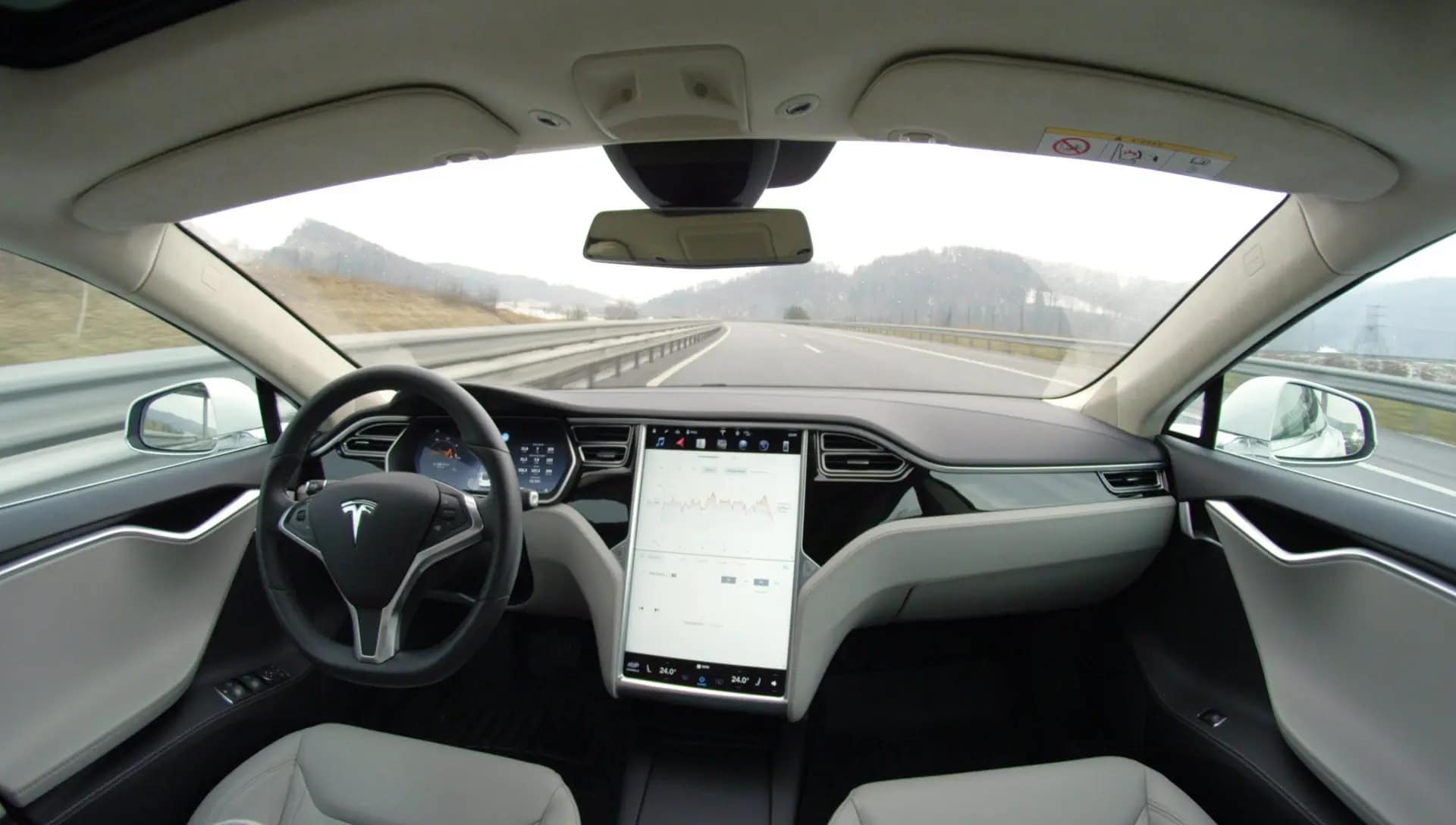
Another advantage is that they are accessible. Self-driving vehicles must be wheelchair accessible. They must also have low thresholds and high head clearance.
Self-Driving Cars and Senior Living – Has the Future Already Come?
They must also address technological barriers, such as dependence on smartphones and connectivity outside of the home. However, despite the benefits, these vehicles are still not suited to all elderly drivers. They are, however, useful for older people in many situations.
Another benefit of self-driving vehicles is that they can provide elderly people with safe transportation. But the current options for elderly people are limited and expensive. Moreover, the technology is still not mature enough.
That’s why regulations for this new technology need to be finalized. There are still many ways to develop regulations for this new technology. And one of them is by creating on-demand services.
It may challenge train lines
While AVs will have varying impacts in different countries, they may also affect specific segments of the passenger population. For example, in some countries, AVs may be more popular than train rides during peak commuter hours.
Meanwhile, AVs may be more expensive and may cause rail companies to lose market share in specific cities and regions. In the long run, these changes will have positive impacts on all modes of transportation, but the most immediate impact will be on rail operations.
Although the tech is still years away, companies are developing prototypes and testing new technologies. Among these companies is Waabi, which is developing its AI in a super-realistic driving simulation. Its AI is controlled by an AI driving instructor.
Ghost, another company developing driverless tech, is also developing self-driving vehicles that learn from other drivers and other vehicles. Autobrains is another company betting on end-to-end learning. The company trains thousands of neural networks to deal with specific scenarios.
Another industry facing the rise of autonomous vehicles is ride-sharing. Ride sharing is a growing phenomenon that involves using a car to commute. Companies like Zipcar, Car2Go, and SnapCar already offer rides to other people
In 2015, there were around 86,000 car-sharing vehicles in operation around the world. Its users numbered 5.8 million, with nearly 2.1 million in Europe. This means that AVs will disrupt rail systems, especially in urban and residential areas.
Self-Driving Cars and Senior Living – Has the Future Already Come?
In The Future
In the future, self-driving trucks and trains could be mass-market products before autonomous cars. Increasing automation in the transportation and freight industries could make them more efficient. But first, they must be tested and proven.
The success of this technology depends on political support and economic trade-offs. While Wayve is currently testing and developing its driverless vehicles, the technology is still in the pilot stage and may not make it to the market until the future is ready to accept it.
It improves safety
Self-driving cars improve safety in many ways. By reducing human error on the road, they can reduce car crashes by up to 90%. Ultimately, this means fewer deaths on the road. In fact, a recent study from Virginia Tech found that if self-driving cars were widely available, there would be fewer car accidents. A study by the National Highway Traffic Safety Administration found that nine out of every ten vehicle crashes are caused by human error.
In addition to improving safety for car occupants, self-driving cars could reduce the number of police officers needed to enforce traffic safety laws. Since the cars will automatically obey traffic laws and avoid erratic driving, the presence of police officers would be reduced. Self-driving cars could also reduce the number of fatalities due to car crashes, which is a huge concern for public safety. In short, autonomous cars would improve safety in several ways.
GPS Moniters other Road Users
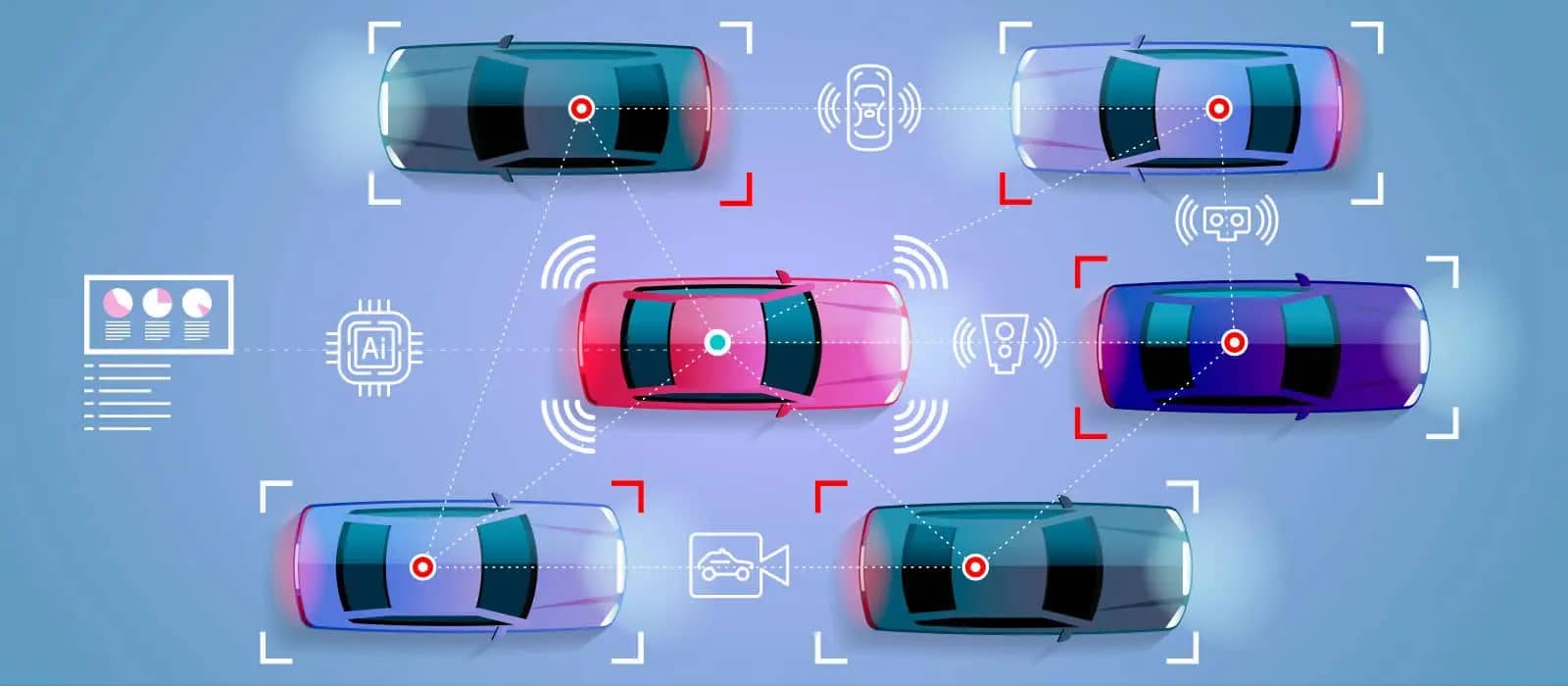
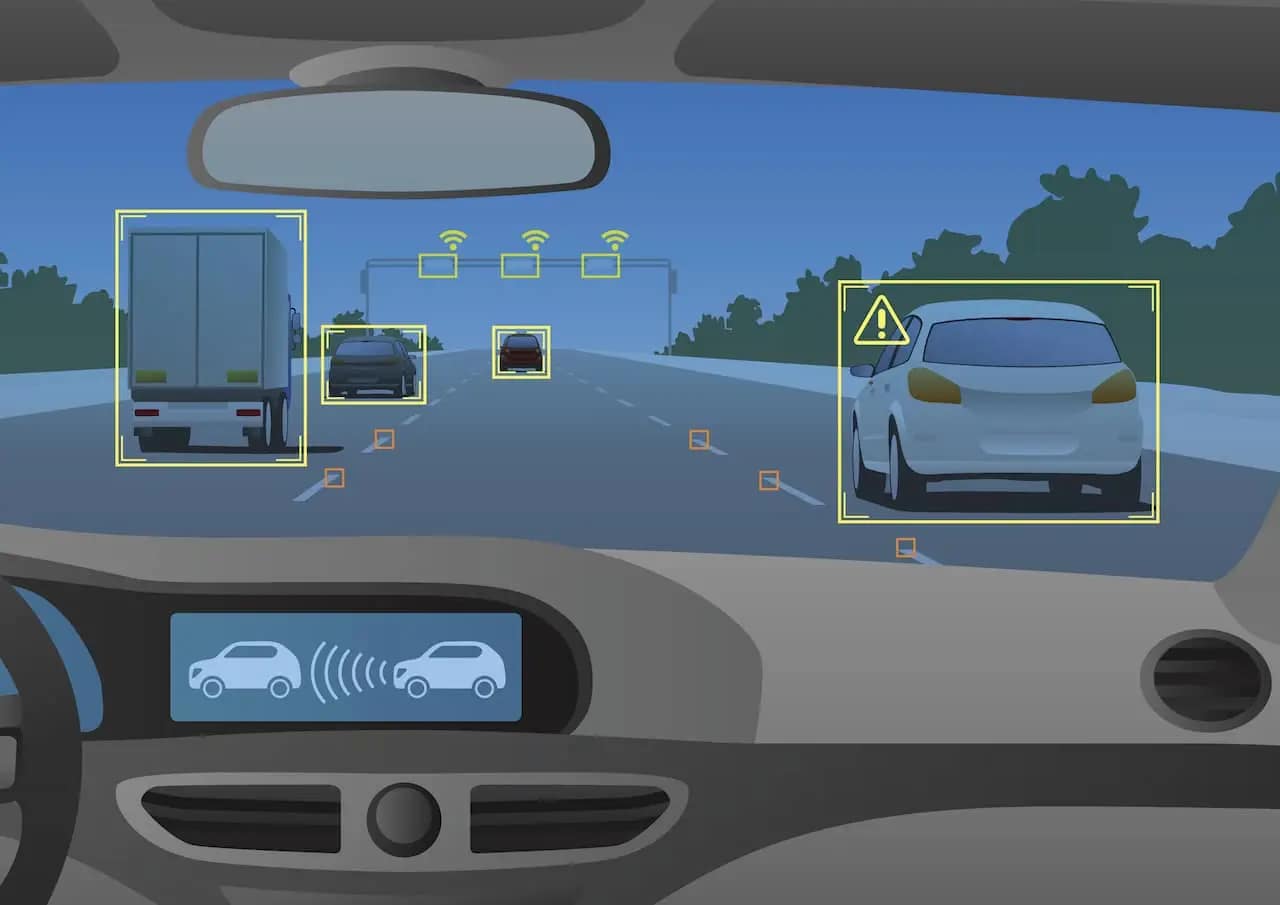
Autonomous vehicles use a variety of technologies and tools to prevent collisions. 360o cameras record all sorts of information, while GPS systems and prediction algorithms monitor other road users. These systems use a high-powered computer that operates as the brain of the car. This makes them extremely safe. These cars can also protect pedestrians by not speeding or driving drunk. Whether these vehicles are fully self-driving or not is an entirely different issue.
There is a growing public debate about whether self-driving cars will improve safety. Many drivers are nervous about the new technology, and some fear they won’t be able to control their vehicles.
However, self-driving cars are generally considered safer than human drivers. While human error is still a significant contributing factor in many accidents, self-driving cars eliminate the possibility of human error. While human error may cause a crash, accidents caused by human error will be rare.

