
How Do I Know When My Car Needs A Service? If your car needs a severe Major Service, it will start showing some unusual signs.
These signs may include fluid leaks, unusual noises, or your dashboard warning light turning ON. All these signs indicate that your car needs service.
If you do not know what signs to look for, do not worry; you are at the right place. Below, you will find 6 signs that indicate your car needs service. So, read this guide until the end and take it all the Knowledge away.With You
Here’s a quick table summarizing the six signs that indicate your car needs a service
| Signs | Description |
| Unusual Noises | Investigate weird sounds like clunking, squeaking, grinding, or hissing; they may signal various issues. |
| Dashboard Warning Lights | Consider warning lights like check engine, ABS, or oil pressure; consult your manual or a mechanic. |
| Fluid Leaks | Examine puddles under your car. Fluid leaks (oil, coolant, etc.) can lead to serious damage, so consult a mechanic. |
| Difficulty Starting | Hard starting, especially in cold weather, may indicate battery or electrical problems; check and replace as needed. |
| Rough Ride | A bumpy ride may point to suspension or shock absorber issues; consult a mechanic for inspection and repairs. |
| Decreased Fuel Efficiency | Poor mileage could result from clogged filters, worn spark plugs, or fuel system problems; consider maintenance. |
After How Many Miles Should I Service My Car?
Generally Manafacturers Recomend every 6 – 12 Thousand Miles But Certainly Every 12 Months at a Minimum Time Frame
Six Signs That Your Car Needs A Service
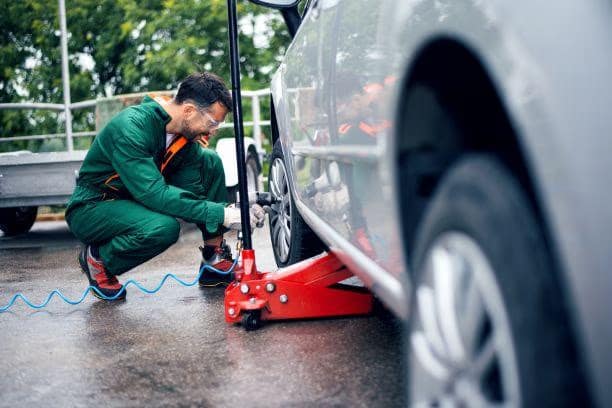
1. Unusual Noises
Unusual noises are one of the most obvious signals that your car requires attention. If you hear weird noises like clunking, squeaking, grinding, or hissing, it’s time to investigate.
These sounds can indicate various problems, ranging from worn-out brake pads to a malfunctioning transmission. Ignoring strange noises can lead to more significant and costly problems in the future, so get professional assistance as soon as possible.
2. Dashboard Warning Lights
Modern vehicles are outfitted with many sensors and warning lights on the dashboard to alert you to potential problems. The check engine light, ABS (Anti-Lock Braking System) light, and oil pressure warning light are all common warning lights.
When any of these lights illuminate, your car is alerting you that something requires your attention. Do not disregard these warnings; consult your owner’s handbook or a mechanic as soon as possible to determine the problem.
Is It Necessary To Service a Car Every 6 Months?
3. Fluid Leaks
It’s critical to check the source of any puddles or stains under your parked car. Fluids such as engine oil, transmission fluid, coolant, and braking fluid circulate throughout your car.
A leak in these systems can cause significant damage and possibly engine failure. To diagnose the problem, look at the fluid’s color and consistency, but always visit a mechanic for a complete diagnosis and repair.
4. Difficulty Starting
A difficult car to start, particularly in cold weather, may have a battery or electrical system problem. Batteries have a finite lifespan and can die unexpectedly, leaving you stranded.
Check the condition of your battery regularly and replace it as directed by your car’s manufacturer. Furthermore, problems with the starter motor, alternator, or ignition system can make starting your car difficult.
5. Rough Ride
If your ride is unpleasant and bumpy, it could be a suspension or shock absorber problem. A faulty suspension can impair your car’s handling and ride comfort, making driving less safe. A competent mechanic can inspect your suspension system and propose any repairs or replacements needed to ensure a smooth and safe ride.
6. Decreased Fuel Efficiency
If you’ve observed that your car is getting fewer miles per gallon than usual, this could indicate that it requires service. Several problems, such as clogged air filters, worn-out spark plugs, or fuel system faults, can cause poor fuel efficiency.
For example, changes to the air filter and spark plugs can help improve your car’s fuel efficiency and save you money at the pump
Conclusion
Knowing when your car needs servicing is essential to maintaining its performance, safety, and longevity. There are several key indicators that will signal when it’s time to take your vehicle in for maintenance. Being proactive about car care not only saves money in the long run but also ensures a safer driving experience for you and others on the road.
-
Manufacturer’s Schedule:
Always start with your car’s manual. Manufacturers provide a recommended service schedule based on time or mileage intervals. Sticking to this schedule ensures that your car is always in optimal condition.
-
Warning Lights:
Modern cars come equipped with multiple warning lights on the dashboard, including the check engine light, oil light, and brake light. Paying attention to these lights and addressing any issues immediately can prevent minor problems from turning into major repairs.
-
Strange Noises:
Listen for unusual sounds emanating from the engine, brakes, or other parts of the car. Squealing, grinding, or knocking noises often indicate parts that need attention.
-
Visible Wear and Tear:
Regularly inspect your car for any signs of damage, such as worn-out tires, cracked windshield wipers, or leaks under the vehicle. Addressing these issues promptly prevents further damage and maintains vehicular integrity.
-
Performance Changes:
Noticeable declines in performance, such as sluggish acceleration, poor fuel efficiency, or difficulty in starting the engine, can signal a need for servicing.
-
Unusual Vibrations or Handling Issues:
If your car begins to vibrate excessively or you notice a change in handling, it might be due to misaligned wheels or suspension problems that should be addressed immediately.
-
Fluid Levels:
Regular checks of fluid levels, including oil, coolant, brake fluid, and transmission fluid, are essential. Low or dirty fluids can lead to more severe engine problems if not topped up or replaced as needed.
In summary, being attentive to your car’s needs and addressing them promptly will save you time and money and provide peace of mind. Regular maintenance is the key to ensuring reliability and safety on the road. By knowing and responding to your vehicle’s signs for service, you invest in its longevity and your own safety.