The Importance of Tire Rotation and Balancing: Ensuring Your Vehicle’s Safety and Longevity
Introduction
When was the last time you had your tires rotated and balanced? If you can’t remember, it is time to consider doing so. Tire rotation and balancing are crucial maintenance tasks.
They significantly contribute to the performance, safety, and lifespan of your vehicle’s tires. Neglecting these essential services can lead to uneven tire wear, handling issues, and even increased fuel consumption. In this article, we’ll explore the importance of tire rotation and balancing.
We will also cover how often it should be done. Additionally, you’ll learn the benefits of keeping up with these maintenance practices.
Understanding Tyre Rotation and Balancing
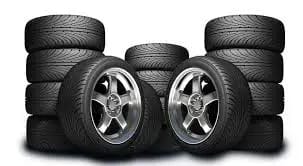
When was the last time your tires were rotated and balanced?
When was the last time your tyres where rotated and balanced
Tire rotation means moving tires from one position on a vehicle to another, This practice ensures even wear and Typically, this involves swapping the front tires with the rear tyres.
It also includes switching the tires from one side of the vehicle to the other. This process helps distribute the wear more evenly across all tires.
On the other hand, tire balancing involves adjusting the weight distribution around the tire and wheel assembly. When tires and wheels are balanced, it means the weight is evenly distributed, allowing for smoother driving and reducing vibrations.
Balancing is usually done using specialized equipment that measures the imbalance and helps technicians apply the appropriate counterweights.
Why Tire Rotation and Balancing are Important
- Extended Tire Lifespan: Regular tire rotation and balancing offer a significant advantage. They extend the lifespan of your tires. Tires wear differently based on their position on the vehicle due to varying loads and driving conditions. For example, front tires typically wear out faster than rear tires on front-wheel-drive vehicles. By rotating them, you guarantee all tires wear out at a similar rate, maximizing their usability.
- Improved Safety: Properly maintained tires improve your vehicle’s handling and braking performance. Uneven tire wear can lead to decreased traction, especially in adverse weather conditions like rain or snow. Balanced tires guarantee even contact with the road, reducing the risk of accidents caused by unexpected handling issues.
- Enhanced Fuel Efficiency: Unbalanced or unevenly worn tires can increase rolling resistance. This resistance causes your vehicle to use more fuel to keep speed. Keeping your tires balanced and evenly worn helps keep optimal fuel efficiency, saving you money at the pump over time.
- Smooth Driving Experience: One of the most noticeable signs of unbalanced tires is vehicle vibration, especially at higher speeds. This can result in an uncomfortable driving experience and contribute to driver fatigue on long trips. Regular balancing eliminates these vibrations, ensuring a smoother ride.
How Often Should Tyre Rotation and Balancing Be Done?
The frequency of tire rotation and balancing depends on several factors, including your driving habits and vehicle type. Most experts recommend rotating and balancing your tires every 5,000 to 8,000 miles.
You should do this roughly every six months. Nonetheless, it’s always a good idea to consult your vehicle’s owner manual. You can also ask a trusted mechanic. They can give specific recommendations tailored to your vehicle.
Signs Your Tyres Need Rotation and Balancing
While regular maintenance schedules are helpful, certain signs can show the need for tire rotation and balancing:
- Uneven Tire Wear: Visually inspect your tires for uneven wear patterns. If the tread depth varies significantly between tires, it’s time to consider rotation.
- Vibrations While Driving: Feeling vibrations through the steering wheel or vehicle floor can show unbalanced tires, especially at higher speeds.
- Pulling to One Side: If your vehicle pulls to one side while driving, there is a reason. One possible cause is uneven tire wear. Alignment issues can also cause this problem. These can be corrected with rotation and balancing.
Conclusion
Regular tire rotation and balancing are essential maintenance practices that contribute to the overall health and performance of your vehicle.
Make sure your tires wear evenly and are balanced. This practice lets you enjoy a safer, more comfortable ride. It also extends the lifespan of your tires and improves fuel efficiency.
Check your tires regularly. Consult with a professional mechanic to make sure they get the care they need. Remember, taking the time to preserve your tires saves money in the long run. It also ensures optimal driving performance and safety.

